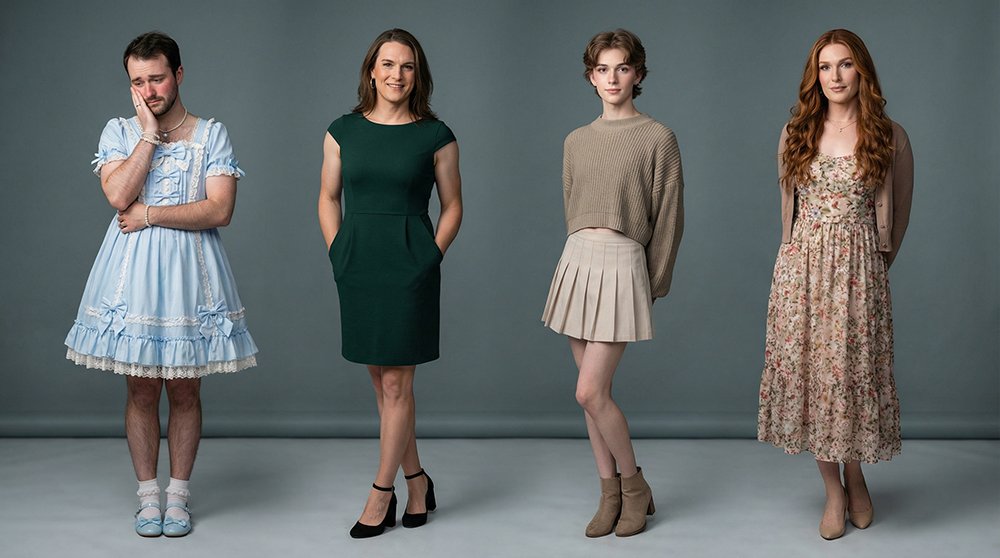

On the internet, more and more people are coming across terms like “Sissy, CD (Crossdresser), Femboy, and Transgender,” but many people often confuse their meanings. In reality, each term has its own definition, characteristics, and cultural background. This article will help you clearly understand the differences between them.
What is a Sissy?
Definition
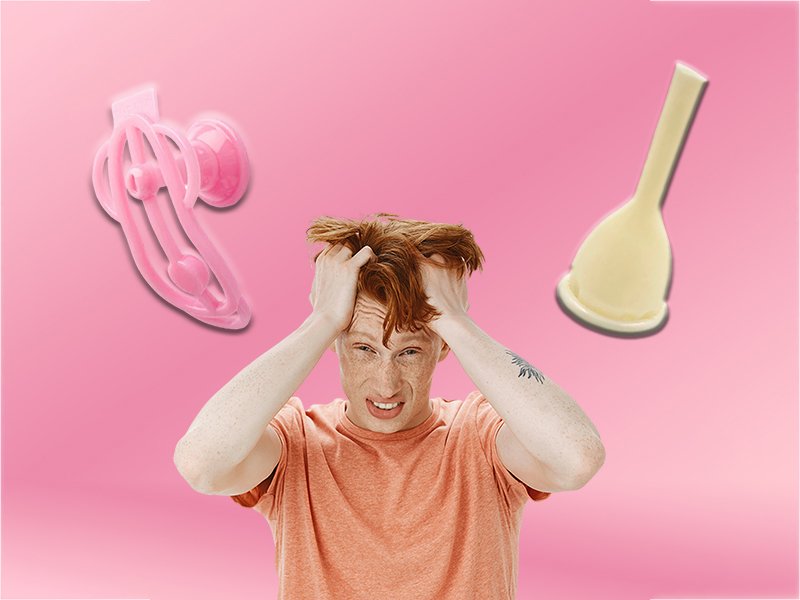
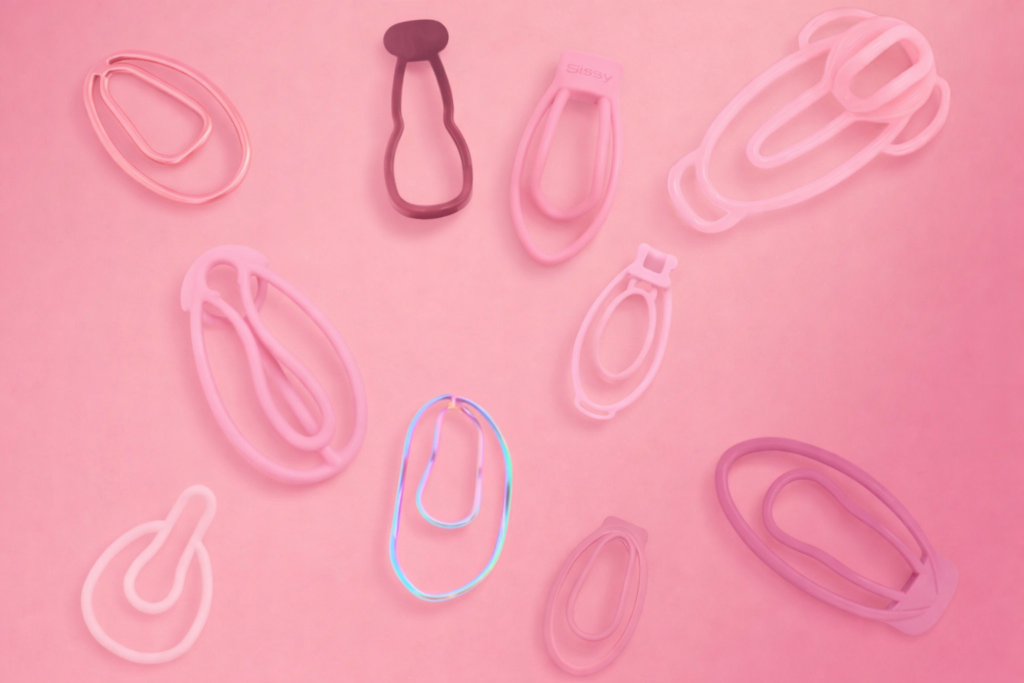
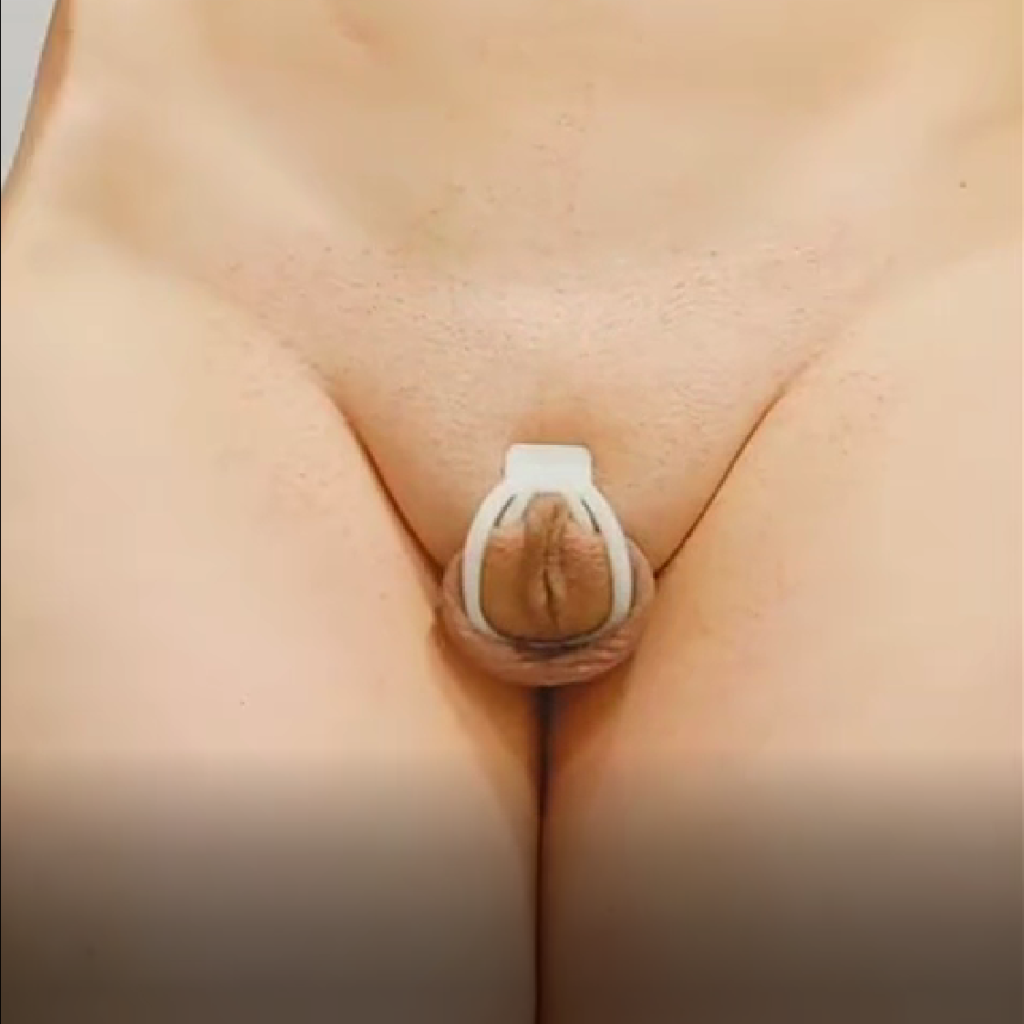
The term “Sissy” is often used in a BDSM context, referring to a submissive male who, within forced feminization practices, takes on crossdressing and feminine role-play, often accompanied by elements of sexual humiliation. For example, some sissies may use chastity devices or a FUFU Clip to enhance the sense of humiliation by restricting genital stimulation.
Core Characteristics
- Emphasizes sexual humiliation or role-playing
- Often involves suppression of masculine traits
- More focused on psychological and behavioral experience rather than gender identity
Further Reading
If you want to find out whether you might be a Sissy, you can refer to our blog article: How to Know If You’re a Sissy? 10 Questions to Consider
What is a CD (Crossdresser)?
Definition
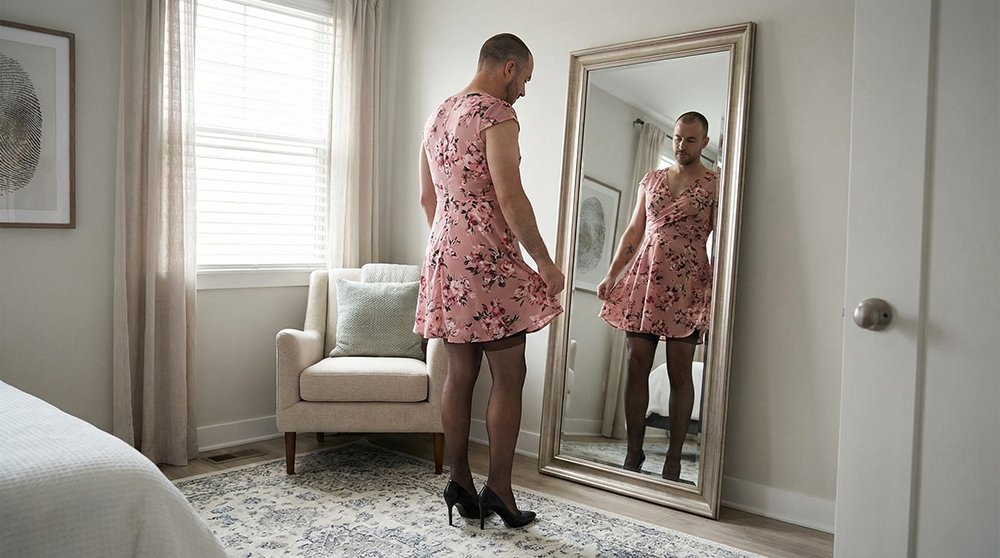
CD stands for Crossdresser, referring to anyone who wears clothing typically associated with the opposite sex for any reason, and may also use makeup. This behavior is not necessarily related to gender identity. Most crossdressers still identify with their birth gender and use crossdressing as a form of self-expression or aesthetic preference.
Core Characteristics
- Pursues aesthetics or self-expression rather than changing gender
- May wear clothing of the opposite sex short-term or long-term
- Not necessarily related to sexual behavior or sexual orientation
CD and Criminal Cases
What is a Femboy?
Definition
“Femboy” is a slang term that usually refers to males who express themselves through traditionally feminine traits. The term can apply to sexual contexts as well as everyday life, and it is not limited by sexual orientation or gender roles.
Core Characteristics
- Expresses feminine traits while still identifying as male
- May engage in crossdressing or cosplay, but not necessarily in a sexual context
- Unlike a Sissy, the focus is not on humiliation, but on self-expression and identity
Community and Flag
Femboys have a wide online presence, with communities on Reddit such as:
- r/feminineboys: a non-pornographic community with approximately 124K weekly visitors, including minors
- r/FemBoys: a pornographic community with about 1M weekly visitors
The Femboy flag consists of seven horizontal stripes, with the following colors and meanings:
- Pink & light pink: feminine aesthetics
- White: non-binary gender identity
- Blue: masculinity
What is a Transgender person?
Definition
A transgender person is someone whose gender identity differs from the sex they were assigned at birth. Transgender people may include:
- Binary transgender men or women
- Non-binary or genderqueer individuals
A transgender person’s sexual orientation is not related to their gender identity. They may be heterosexual, homosexual, bisexual, asexual, or choose not to define their sexual orientation.
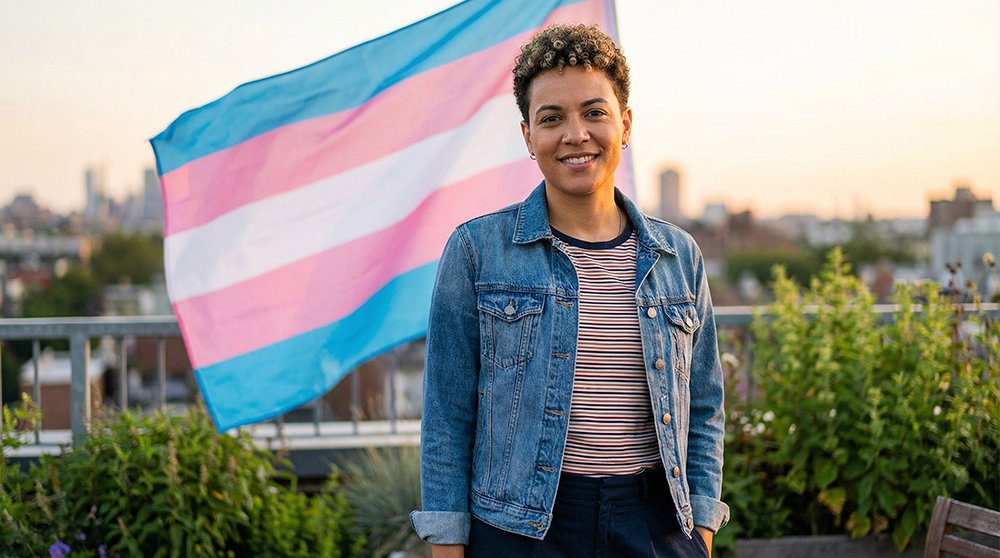
Transgender Flag
The transgender flag consists of five horizontal stripes (designed by Monica Helms in 1999):
- Blue: male
- Pink: female
- White:intersex,transitioning, or non-binary
The flag is symmetrical, symbolizing that transgender people can find the right direction in life—no matter which way the flag is displayed, it is always correct.
Comparison Between Them
| Core Definition | Gender Identity | Key Characteristics | |
|---|---|---|---|
| Sissy | Refers to a phenomenon in which a man displays traits traditionally regarded as feminine in his speech, behavior, and overall demeanor. | Usually identifies with his biological sex as male. | Emphasizes outward behavior and demeanor that appear feminine, without involving a change in gender identity. |
| CD(Crossdress) | An abbreviation of “cross-dress,” referring to the act of wearing clothing typically associated with the opposite sex, or to people who enjoy doing so. | Identifies with one’s biological sex. | Dressing as the opposite sex for reasons such as personal interest, aesthetics, or role-playing, with the focus on external expression rather than any change in one’s internal gender identity. |
| Femboy | Originating from internet culture, it specifically refers to biological males who present a feminine appearance through makeup, clothing, and similar means. | Usually still identifies as male. | Enjoys the aesthetic appeal, role-playing fun, or sense of free expression that comes with a feminine appearance, with the core focus on shaping an outward image. |
| Transgender | An umbrella term for people whose gender identity does not align with the sex assigned at birth. | A mismatch between one’s gender identity and biological sex (e.g., a transgender woman is born male but identifies as female). | The core lies in one’s internal gender identity; some may pursue alignment between body and identity through hormone therapy, surgery, or other means, with the goal of being recognized by society as the gender they identify with. |
Summary
Although Sissy, CD, Femboy, and transgender people all involve gender expression or feminine presentation, their essential nature and core motivations differ:
- Sissy: More commonly found in BDSM or humiliation contexts, focusing on erotic humiliation and role-playing, emphasizing psychological and behavioral experiences rather than gender identity.
- CD (Crossdresser): Cross-dressing is usually driven by aesthetics, self-expression, or personal interest. It does not involve changing one’s gender identity and is primarily an external form of expression.
- Femboy: Expresses oneself using traditionally feminine traits while identifying as male. It emphasizes self-identity and aesthetics, and may involve cross-dressing or styling, but is not centered on humiliation. Pornographic content related to femboys is more commonly found in gay contexts.
- Transgender: Refers to individuals whose gender identity differs from the sex assigned at birth. The focus is on gender identity itself, not necessarily on clothing or outward appearance. Some transgender people may pursue transition through hormones or surgery.
Understanding these differences helps reduce misunderstandings and promotes respect for the self-identification and lifestyles of different groups. Everyone’s way of expression is unique—whether in clothing, behavior, or gender identity—and deserves understanding and acceptance.