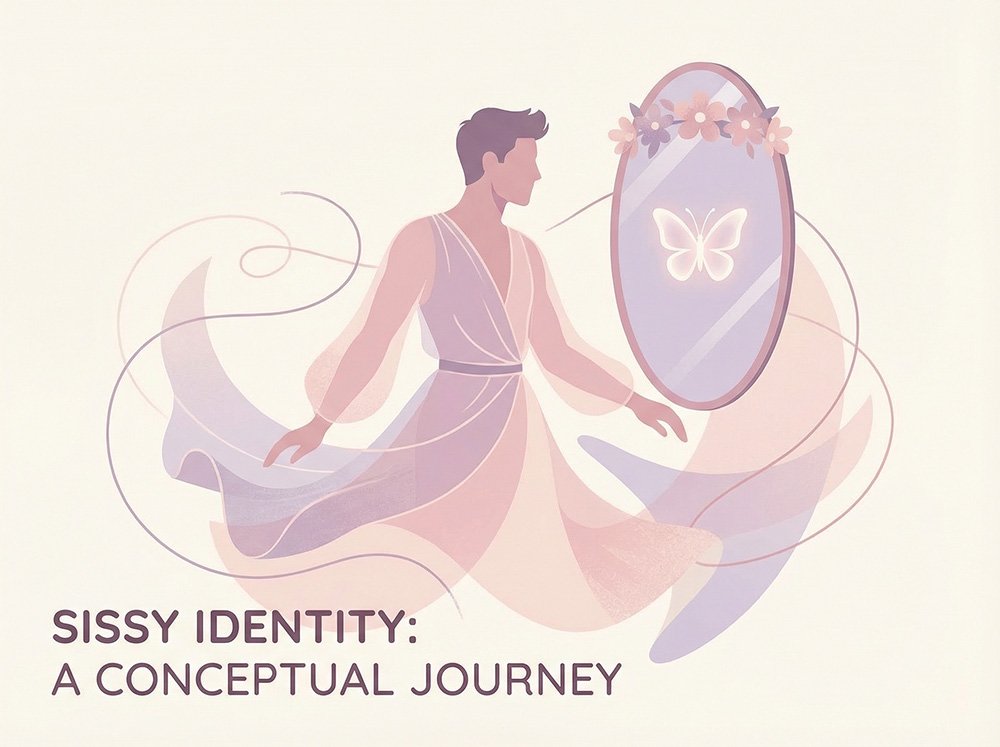
I often see the word “Sissy” online, and at first I didn’t know what it meant. After researching, I learned its true meaning. Some people are always curious, while others have already resonated with it. This article will help you decide for yourself whether you are sissy. This isn’t about labeling you, but about helping you understand this feeling.
What is Sissy? Let's understand the meaning first.
The meaning of Sissy in different cultures
1. Traditional Cultural Meaning (Derogatory)
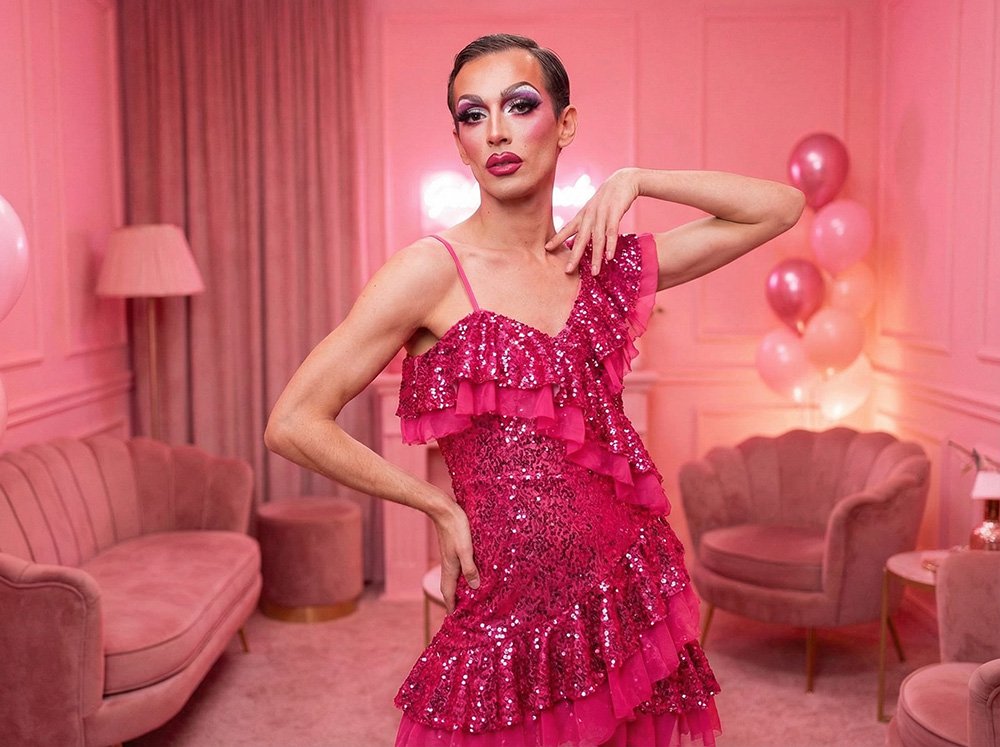
“Sissy” is a derogatory term used to describe a boy or man who lacks masculinity, behaves in a feminine manner, and may show signs of weakness. Typically, the word “sissy” implies a lack of courage, strength, athleticism, coordination, testosterone levels, male libido, and resilience.
The word “sissy” originally meant “younger sister” and entered American English around 1840-1850, acquiring a derogatory connotation between 1885-1890; the verb “sissify” appeared between 1900-1905.
2. In Sexual Subcultures and Fetishism
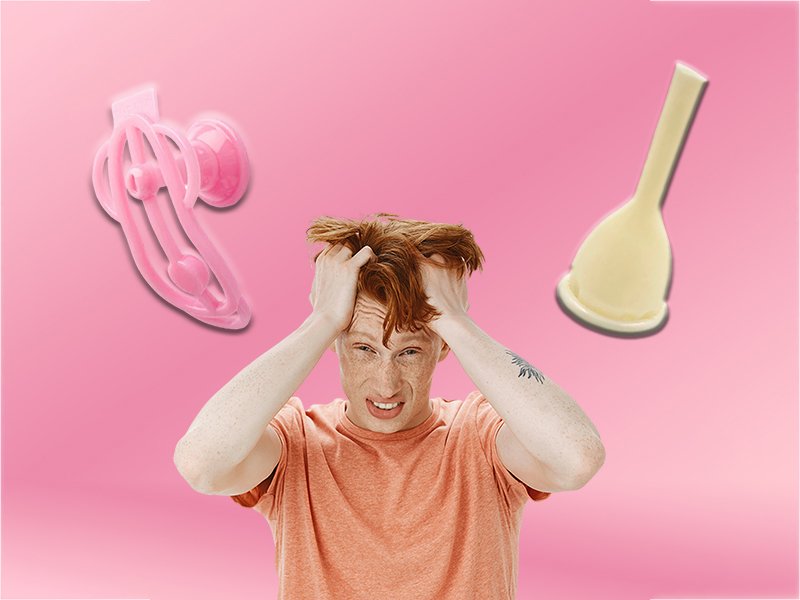
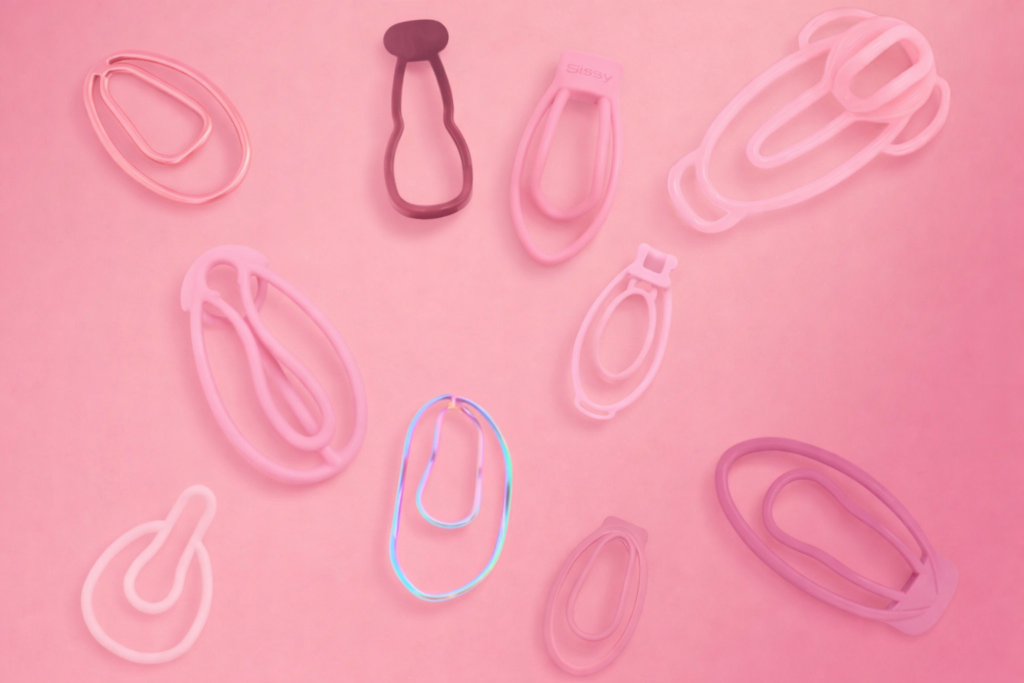
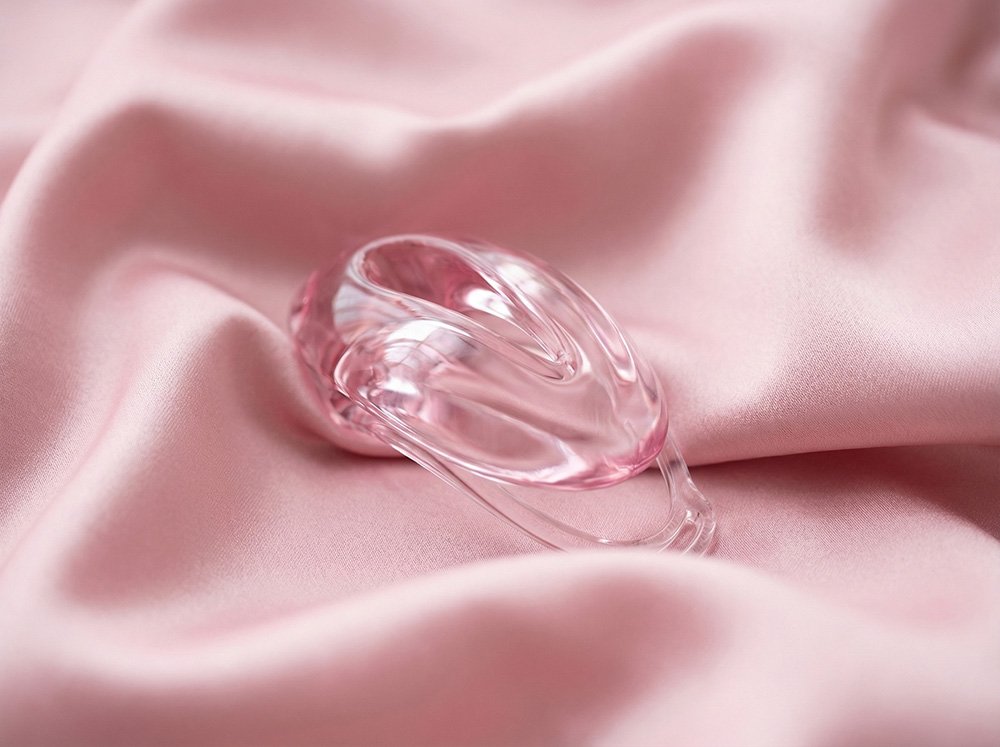
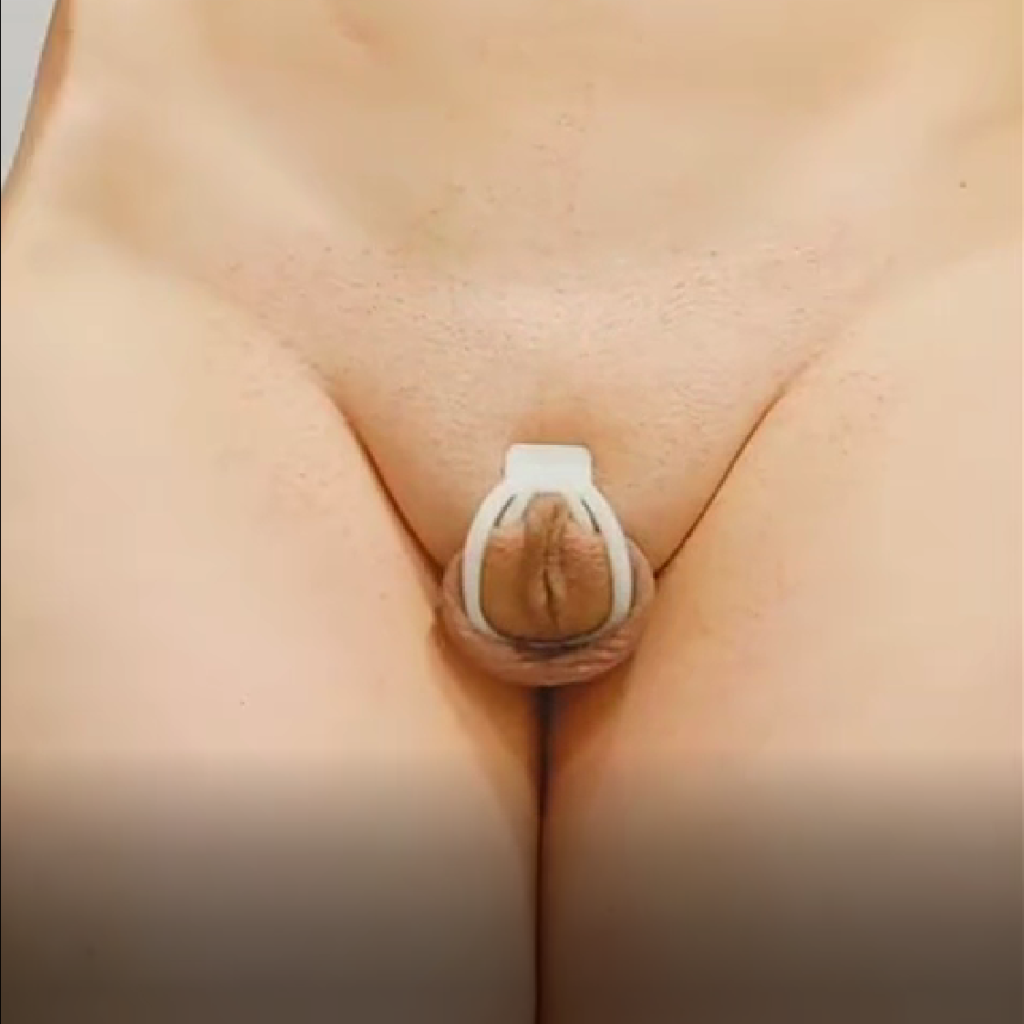
In the practice of forced feminization in BDSM, the male passive partner who accepted cross-dressing might be called a “sissy” as a form of sexual humiliation. Another common practice is the use of chastity cages or belts, which intensify the humiliation by restricting the size of the male passive partner’s genitals and genital contact. In pedophilia, “Sissybaby” refers to a man who enjoys playing the role of a female infant.
10 Questions to Help You Understand Yourse
These questions are not meant to label you or force you to categorize.
They are simply to help you explore yourself, identify with your feelings about femininity, and whether you identify with the concept of “sissy.”
1.Are you curious to explore this aspect of yourself further?
The last question is simple: Do you want to learn more about femininity, effeminate identity, or self-identity?
Curiosity itself doesn’t define you—it can be the beginning of a better understanding of yourself.
2.Are you curious about women's clothing?
Have you ever been interested in underwear, stockings, skirts, or soft colors like pink?
This curiosity doesn’t necessarily mean you’re effeminate, but it can be one of the earliest signs of your interest in femininity.
3.Have you ever thought about behaving in a more feminine way?
Some people occasionally fantasize about having a softer appearance, different body language, or a more feminine role.
If these thoughts excite or make you feel comfortable, rather than strange, this may reflect how you explore your self-identity.
4.Do you enjoy projecting a softer, more submissive side?
For some, being sissy is more than just about clothing.
It also means embracing a softer, more submissive, or more feminine energy that contrasts sharply with traditional masculinity.
5. Have you ever experimented with femininity in private?
Perhaps you’ve tried wearing women’s clothing at home, imagining yourself playing different roles, or exploring femininity in a safe, private space.
Many people initially discover their effeminate curiosity through private experimentation.
6. Do you have an emotional connection to feminine fantasies?
Some people view femininity purely as fantasy or role-playing. Others experience a deeper emotional connection when imagining themselves as female or effeminate.
Ask yourself: Is this feeling simply curiosity, or something more meaningful?
7. Have you searched online for effeminate or feminine communities?
Many people exploring self-identity seek out those who share their interests.
If you find yourself reading blogs, forums, or stories related to effeminate culture or femininity, it may reflect a deep-seated curiosity within you.
8. Do these thoughts excite, comfort, or liberate you?
Sometimes, discovering a hidden side can feel surprisingly easy or natural.
For some, exploring an effeminate identity can liberate them from societal expectations and provide a sense of freedom.
9. Do you frequently think about femininity?
Everyone has scattered thoughts or fantasies.
But if these thoughts appear frequently or linger in your mind for extended periods, it may be part of your ongoing exploration of self-identity.
10. Do you consider it a fantasy, a lifestyle, or a part of yourself?
Some people occasionally enjoy playing effeminate roles.
Others see femininity as something deeper, closely related to their personal identity.
Neither answer is right or wrong.
What your answers might mean:
If you resonate with many of these answers, it doesn’t necessarily mean you’re effeminate. It simply indicates that you may be exploring some understandable aspects of femininity or personal identity. After all, this is just a simple test, and you can’t be automatically labeled “Sissy” just because you exhibit any of the above traits. The judgment should primarily be based on your inner self.
Things to be aware of when exploring yourself:
There are things to be aware of when exploring yourself, and these considerations will help you protect yourself and allow for a more complete self-exploration.
Maintaining Mental Health and Self-Acceptance
Maintaining mental health is crucial during self-exploration. If you experience psychological problems or struggle to accept your changes during this process, it will severely impact your well-being. Therefore, it’s essential to prioritize your mental health throughout self-exploration, as your psychological state may shift towards sissy as you explore whether you are.
Don't Label Yourself Prematurely
Avoid prematurely labeling yourself as “sissy” during self-exploration. Simply being interested in these things doesn’t mean you are sissy. Prematurely labeling yourself can force you into becoming sissy if you weren’t originally one.
Choose Safe and Healthy Methods of Exploration
When exploring yourself, always choose safe and healthy methods. Avoid methods that could easily harm you to determine if you are “sissy.” Ultimately, whether you are “sissy” or not is secondary; your safety and health are paramount.
Conclusion
You don’t need to rush to a conclusion. Sissy exploration requires a long and gradual process. If you don’t feel this way today, you may develop it over time. The most important thing is to understand yourself and seriously examine your innermost thoughts. If you eventually become “Sissy” according to your own desires, then our sissy family welcomes you.
FAQ
Are effeminate men and transgender people the same thing?
No, they are not the same thing. Effeminate men are usually associated with an interest in femininity, role-playing, or feminine expression. A transgender person’s gender identity is different from the sex assigned at birth.
Can a person explore effeminate interests while identifying as male?
Yes, many people who explore feminine fantasies still identify as male. For some, it’s a way of self-expression, curiosity, or role-playing, rather than a permanent identity.
Is femininity always related to sex?
Not always.
For some, femininity may appear in sexual fantasies or experiences.
For others, it may simply be a way of exploring gender expression, aesthetics, or personal comfort.
Is it normal to feel confused in the process of exploring self-identity?
Yes, it’s perfectly normal. Many people go through a period of questioning when trying to understand their self-identity.